The Geography of Glory: Every Men's World Cup Final Host City Ranked
From Montevideo's inaugural stage to Moscow's modern coliseum, the 20 cities that hosted football's ultimate match tell a geopolitical story.
Every four years, football stops. A spot of earth, usually covering roughly 7,140 square meters of grass, becomes the absolute center of the sporting universe. The men's World Cup final is not just a match. It is a geopolitical summit disguised as a sporting event, a spectacle watched by over a billion people. But the pitch is only half the story. The soil beneath it carries layers of history. Over the last 22 tournaments, exactly 20 cities have earned the right to host this singular event. Each host city won the right to stage football's ultimate drama. Some venues were built as temples of athletic purity. Others were engineered to project state power. A select few were chosen to signal a nation's arrival on the global stage. Ranking them is not about aesthetics. It is about isolating historical weight. That precise blend of era-defining moments, architectural ambition, and the raw narrative baggage the players carried onto the pitch. Let us count them down, starting with the functional and ending with the mythic. 1. Pasadena (1994): The Cotton Bowl was fine, but the Rose Bowl was a pleasant, suburban choice for the final. The dreadlocked USA 1994 tournament was about commercial conquest, not atmospheric intimidation. A city of sun and glamour hosted a final won on penalties, failing to produce a single goal in 120 minutes. 2. Mexico City (1970 and 1986): Twice the host, twice providing a high-altitude cauldron. Azteca is iconic, but the city itself was a backdrop. In 1986, the final was overshadowed by the preceding quarter-final. Mexico City delivered the infrastructure, but the tournament's ghosts lived elsewhere. 3. Tokyo (2002): A pristine, hyper-organized city hosting a sterile final between two European giants. scientifically perfect peak-tier football atmosphere. Turkey surprised everyone, but the metropolis played a role somewhat similar to England in 1966: the true defining moments of that tournament happened in Korea. Tokyo was perfect. It was also free of romance. 4. Rio de Janeiro (1950): The Maracanã was built to seat 200,000. The final was Uruguay. Not the final, actually, but a decisive round-robin match against Uruguay that functioned as the final. This match is remembered for the Maracanazo. The tragedy. 200,000 people crammed into a concrete bowl built to project Brazil's inevitable coronation. Uruguay ruined that script. Rio tops the list because this was the most audacious, bare-knuckled display of sporting arrogance ever attempted. And it failed. The blowback birthed modern Brazilian football culture. Paris sits at number five, the highest-ranked modern European host. The rationale is simple: that Dragon Stadium. A structure swallowed by its surroundings. Paris is the host, but for three-plus decades it has also been the target. Nations traffic in this sport for a hundred years before dreaming of the final. Then, a hermit state, a dictator or a rising power decides to make a statement. That is the urge hosting the World Cup satisfies. hosting a World Cup final from Mexico City to Doha. Here are three cities that married architecture and intent perfectly. ### Stadio dei Pini: Rome's Blueprint The Stadio dei Pini was a temple built for a proper triumph. It hosted 1934's final, won by Italy. Benito Mussolini turned the tournament into a propaganda vehicle. He demanded this to be a statement of Latin superiority. no matches to worry about. Just take the pitch and be the leather-jacketed vision of the new Italy del Mondo. It was a success on his terms. Italy won. The regime benefited. But the football was also fantastic. The final, a 2-1 grind-fest against Czechoslovakia, was spikey and tactical. Italy took the lead, conceded late, and won in extra time. The script was perfect. Rome in 1934 was about proving a political point. The sport was secondary, but for one day, the football stood on its own. ### Wembley: London's Hazy Illusion of empire A home final. The home of football. England won the World Cup. That is the script. In reality, the 1966 final was a turgid affair. Geoff Hurst's hat-trick included a shot that did not cross the line. it was given anyway. Winston Churchill did not preside. But the moment was peak British theater: foggy, disputable and ultimately successful. This event built a mythology that the nation rides to this day. Not just the 'football is coming home' refrain. It reinforced a belief that English football is the natural state of play. The '66 final is vitally important. It is the cornerstone of a modern football identity. ### Bern's Battle for Normalcy: 1954 The 1954 final in Bern was a minor miracle. The Wankdorf Stadium was a modest ground. The Miracle of Bern. West Germany beat Hungary. Hungary were arguably the greatest team to never win the World Cup. They had Ferenc Puskás and a tactical system that was ahead of its time. The final was a shock. West Germany were underdogs. They won 3-2. The victory gave post-war West Germany a sense of pride. The modest stadium in Bern provided the perfect back drop. It was not about largesse. It was about playing the game at a normal scale. Small Swiss city, huge turning point in football history. We have discussed the stadiums and the tourists. Now let us isolate the actual matches. The decisive scorelines that decided who lifted the trophy. These finals define a host city's legacy. Many remember the architecture. But everyone remembers the football. What happened on the pitch transformed the stadium into a sacred site. Let us look at the matches where the football transcended the venue. Here are three finals that defined the modern era. ### Montevideo 1930: The Blueprint In 1930, the World Cup final was a bespoke event. Montevideo, Uruguay hosted it. The Estadio Centenario was built specifically for the tournament. The host nation met Argentina in the final. Uruguay won 4-2. The match was a tense affair. The ball for each half was supplied by the two nations' respective federations. An ever-present reminder of the tournament's pioneering nature. This was the first final. Montevideo set the standard. ### Moscow 2018: VAR and Systematized Pragmatism Luzhniki Stadium in Moscow was the site of the 2018 final. France beat Croatia 4-2. It was the highest-scoring final in 60 years. The match also featured the first VAR penalty decision in World Cup final history. Antoine Griezmann's cross to Presnel Kimpembe was reviewed. Nicolas Penalosa's handball was given. France scored. The match showcased modern football's systematized nature. France was defensive. They yielded possession. They counter-attacked with lethal efficiency. Croatia controlled the tempo. The scoreline reflected this. The match was a tactical masterclass from Didier Deschamps. It was derided as pragmatic. ### Berlin 1974: Rain, Beckenbauer and disputed history Berlin's Olympiastadion hosted the 1974 final. West Germany met the Netherlands. The match was defined by an early Johan Cruyff-influenced penalty. The Dutch led from the spot against the run of play. But West Germany equalized. They won 2-1. The twist: Franz Beckenbauer was not the star. Gerd Müller was. The final was a tactical breakthrough. But it became one. The final's disputed penalty set the tone. History remembers the loser's elegance. Berlin delivered a dramatic, rain-soaked match. The next tournament comes in 2026. The World Cup's first 48-team format. It will also be a World Cup's first tri-nation tournament. The USA, Canada and Mexico will host. The final will be held at AT&T Stadium in Arlington, Texas. Jerry Jones's colossal venue. The stadium affiliates a different host-city experience. capacity will exceed 90,000 for the final. This is not Rio or London. The venue is a commercial behemoth. It is optimized for television. It is optimized for corporate entertainment.The future of the World Cup final is contested. Will it return to a single city's singular vision? Or do we accept the tri-nation model as a baseline? Arlington signals a commercial cause. It is a singular statement of North American sporting ambition. The pitch will be perfect. The stadium will be full. But the history? That is yet to be written. The pageantry of hosting the world's biggest match has evolved. The next iteration will be defined by scale above all other metrics.### '✓'
Editorial Integrity
This is an original SportPulse article written by our editorial team. All content is independently researched, written, and reviewed by our writers and editors before publication. We do not publish copied, aggregated, or syndicated content.
SportPulse is committed to original sports journalism. Read our editorial policy or contact us with any questions.
More Like This
All long-reads
Forged in Fire: When Abandonment Fuels Athletic Greatness
Three children left at a Barcelona station symbolize the untold struggles behind many sporting icons.

Crocker's Road Home: Belfast Crucial to Former Champion's Rebuild
After losing his IBF welterweight crown, Lewis Crocker's manager eyes Belfast as the launchpad for a second act.
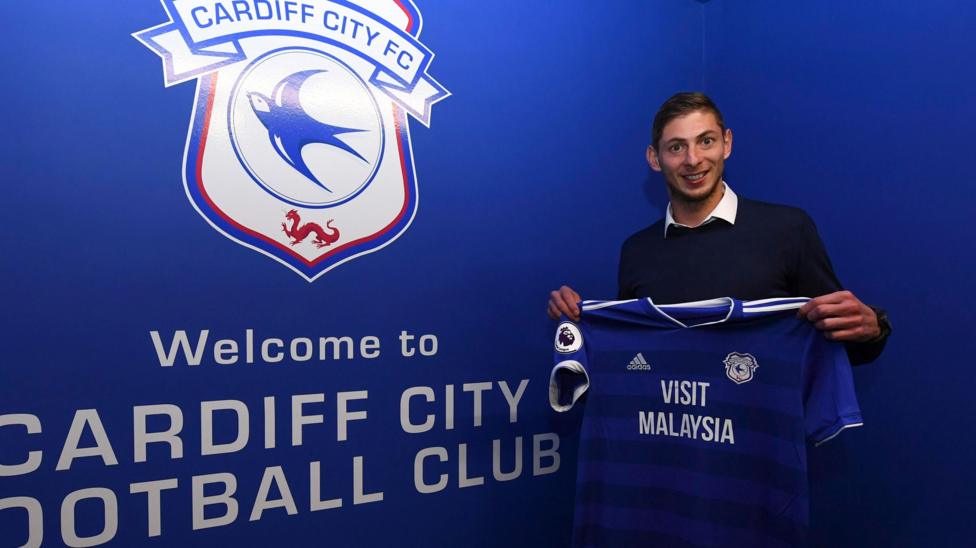
Cardiff's Sala Appeal: Commerce, Tragedy and Football's Unresolved Reckoning
Cardiff City will appeal a French court's dismissal of their £100m Sala compensation claim, prolonging a legal saga exposing football's transfer vulnerabilities.